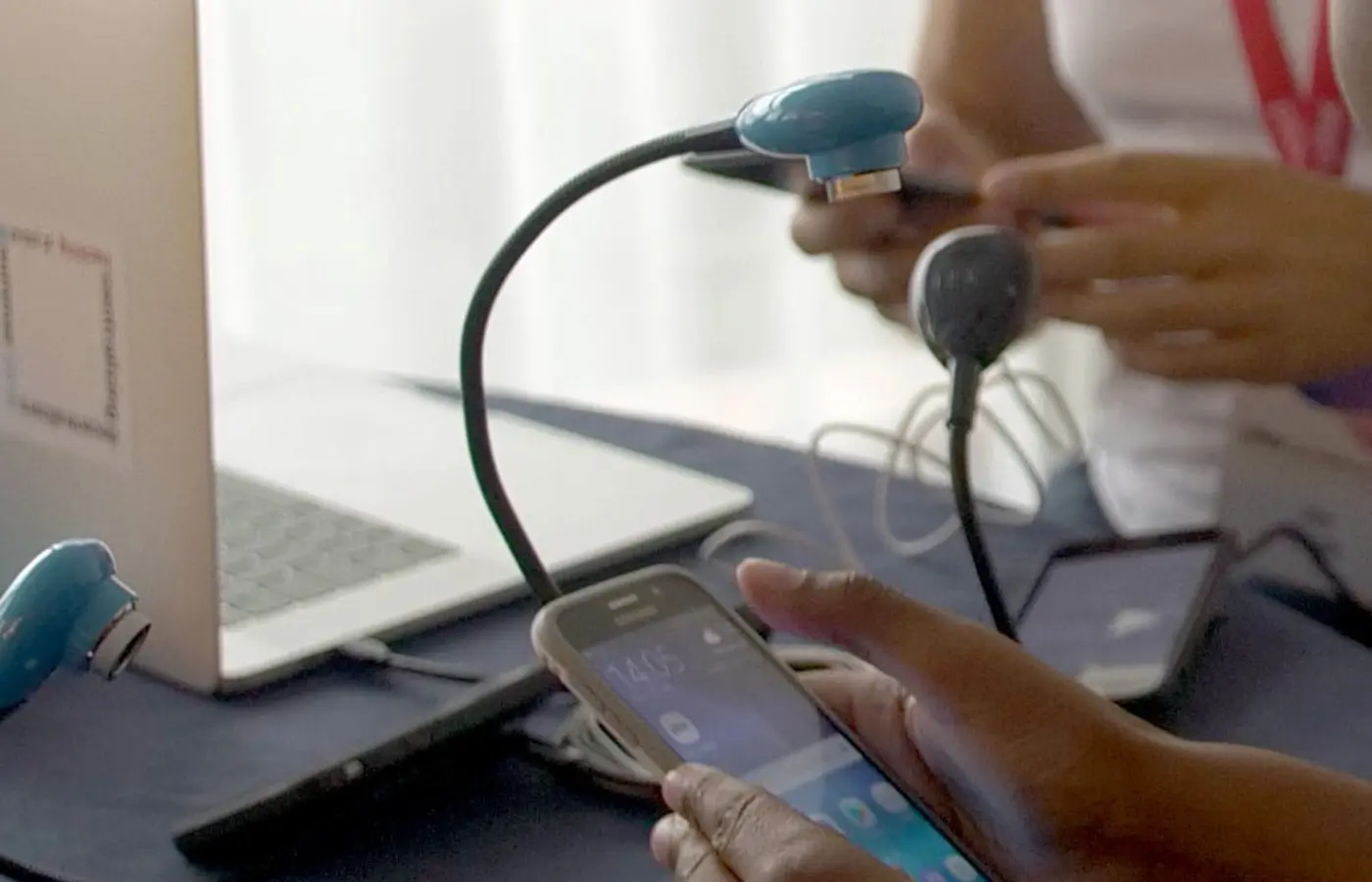
Guide 01
Frame the task
Move from an app category to a specific moment that someone is trying to navigate.
Read the guideField guides
Use these as prompts for a workshop, a short planning session, or the quiet work that happens before a team meets.
Move from an app category to a specific moment that someone is trying to navigate.
Read the guide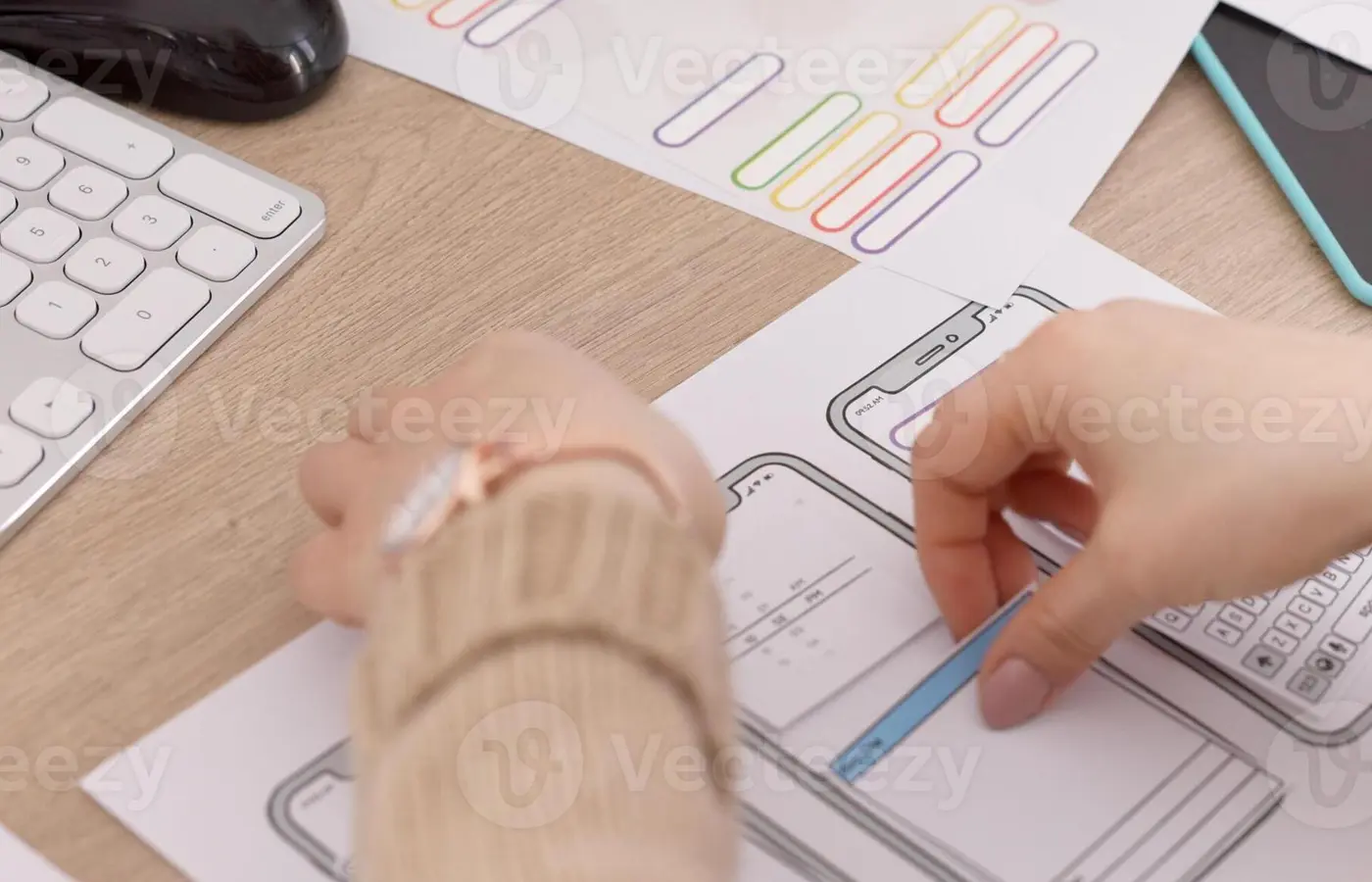
Choose a small release boundary without losing sight of the outcome a person cares about.
Read the guide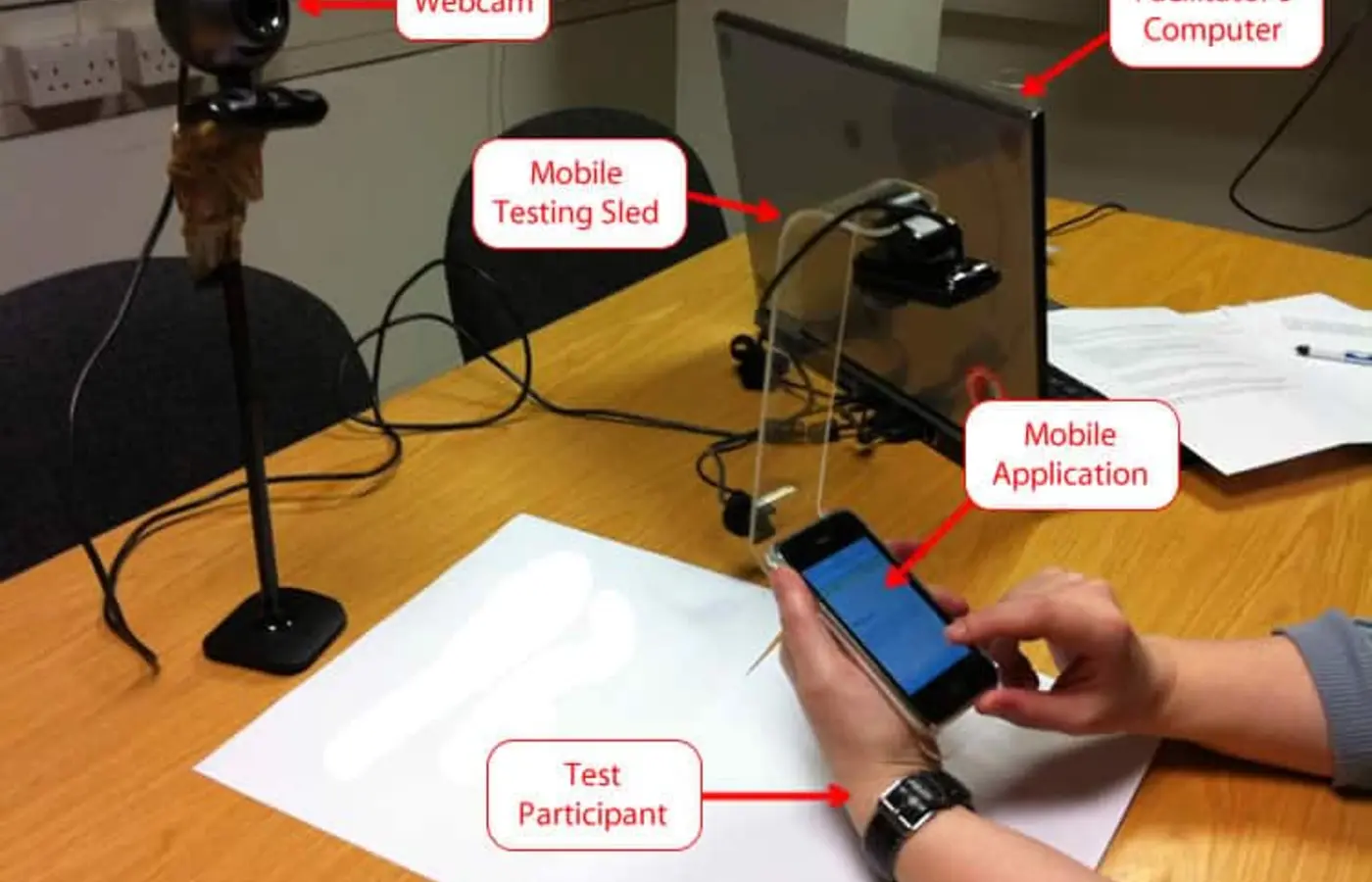
Write a realistic prompt and listen for interpretation before offering explanation.
Read the guideGuide 01
A feature starts with a solution. A task starts with a person’s reason for acting.
Ask for the last time the person encountered the situation. Look for what happened immediately before the task and what made them want to resolve it.
Record how the task is handled today, including the tools, people, notes or memory involved. Workarounds are often more informative than opinions about an ideal app.
State what would be different for the person if the product was helpful. Avoid language about popularity or generic convenience; describe the consequence in the situation.
Guide 02
A first release is a statement about what must be coherent now. It is not a miniature version of every future ambition.
Begin by finding the smallest loop that lets someone start a meaningful task, take an action, and recognize a result. Then make the edge of the loop explicit. Knowing what does not belong yet helps a team avoid hiding an unclear scope inside a long backlog.
What information or intent is necessary before the loop begins?
Which decision is central enough to give the flow its point?
What evidence tells the person that their aim has been met?
Which related paths would make the first loop less understandable?
Guide 03
A well-prepared session gives someone a realistic reason to use the prototype. It allows the facilitator to learn where the product’s model differs from the person’s model.
 Set the context before sharing the interface.Ask for a task outcome, not a sequence of actions.Invite a person to say what they expect, then wait.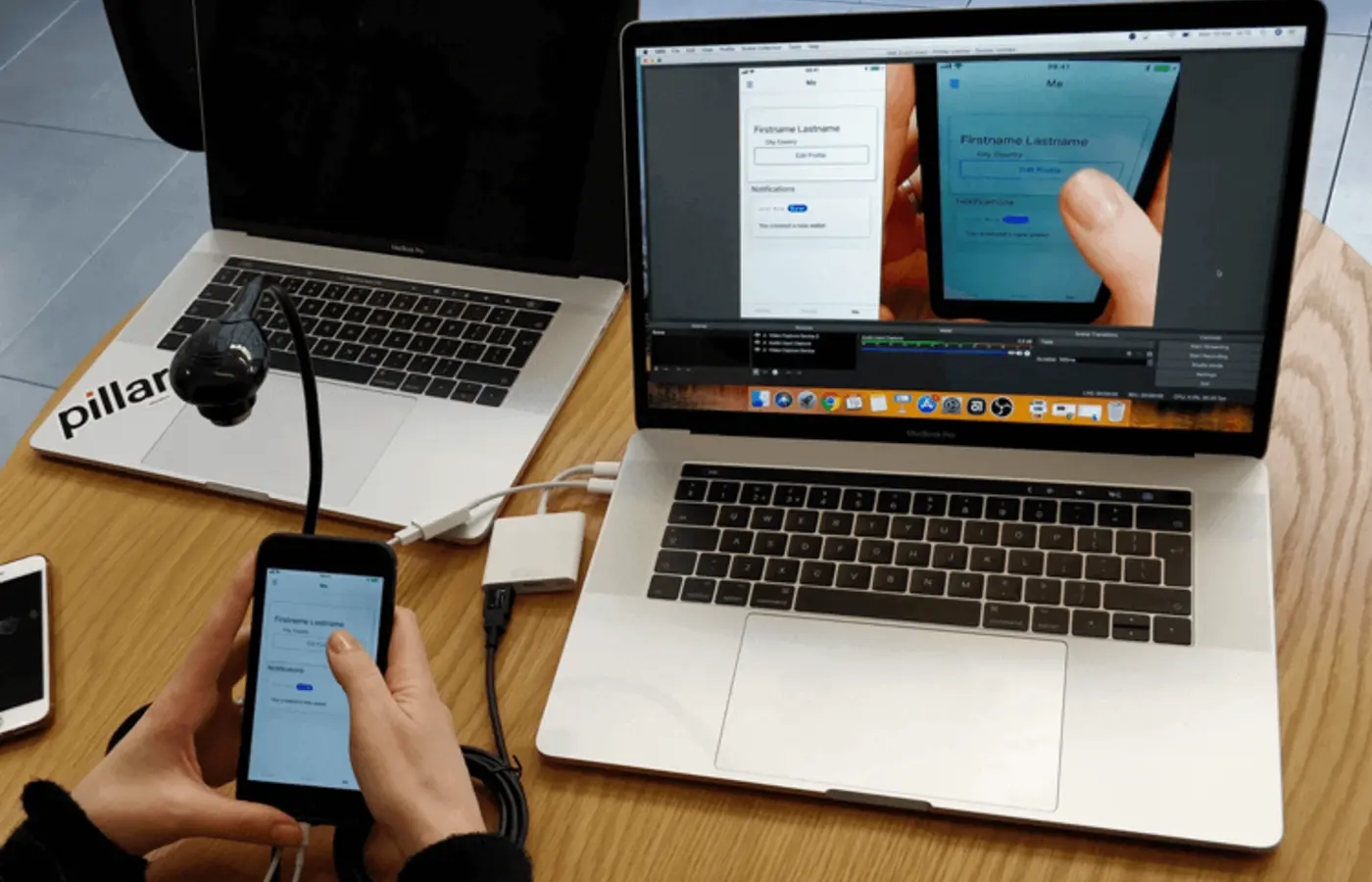
Need a sounding board?
A helpful next conversation usually starts with what is uncertain—not with a finished deck.
Use the contact form